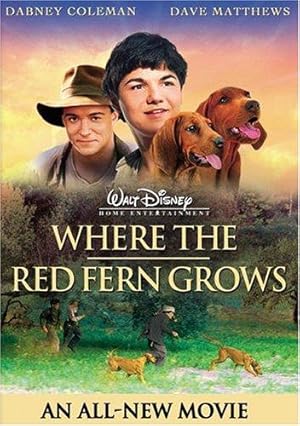
Where the Red Fern Grows
Directed by Lyman Dayton, Sam Pillsbury
TheoScope Rating
Worldview · content · moral framework
Plot
Where the Red Fern Grows is the heartwarming and adventurous tale for all ages about a young boy and his quest for his own red-bone hound hunting dogs. Set in the Ozark Mountains during the Great Depression, Billy Coleman works hard and saves his earnings for 2 years to achieve his dream of buying two coon-hound pups. He develops a new trust in God as he faces overwhelming challenges in adventure and tragedy roaming the river bottoms of Cherokee country with Old Dan and Little Ann. The movie follows them as they romp relentlessly through the Ozarks, trying to tree the elusive "Ghost" raccoon. Their efforts prove victorious as they win the coveted gold cup in the annual coon-hunt contest, capture wily ghost coons, and bravely fight a mountain lion. Through these adventures Billy realizes the meaning of true friendship, loyalty, integrity, and heroics, in this timeless and poignant coming of age story.
Discern Score Breakdown
30%
30%
25%
15%
Audience Suitability
Kids
Under 10
Teens
10–17
Adults
18+
Family
Mixed ages
Content Flags
Where the Red Fern Grows (2003) is a quietly excellent family film with a genuinely biblical moral spine — it takes hard work, loyalty, sacrifice, and faith seriously and does not flinch from the cost of love. Its primary challenge for families is emotional rather than moral: the deaths of Old Dan and Little Ann are genuinely grievous, and younger or more sensitive children may find them overwhelming. Theologically, it is one of the more honest depictions of rural Christian faith and divine presence in mainstream family filmmaking.
Pastoral Take
This is a genuinely good film for families with children roughly 10 and older — the deaths of the dogs are treated honestly and with real emotional weight, and younger or especially sensitive children may be unprepared for that grief, so parents of kids under 8 or 9 should preview it first or plan to sit close. For older children and teenagers, the emotional cost is actually part of its value: it opens a natural door to talking about loss, love, sacrifice, and why God allows painful things to happen to people and creatures we love. Parents should lean into those conversations rather than away from them — this film earns its tears and gives you something true to say afterward.
Discussion Points
- 1Billy saves his money for two whole years without giving up, even when it must have felt impossible — why do you think the story makes such a big deal out of him earning the dogs himself instead of just asking his dad to buy them? What does the Bible say about work and waiting on something you really want?
- 2When Old Dan dies protecting Billy and the family from the mountain lion, the film treats it as something noble and not just sad — does that remind you of anything Jesus said about the greatest kind of love? Do you think animals can show us something true about what love is supposed to look like?
- 3At the end of the film, a red fern grows between the graves of Old Dan and Little Ann, and Billy's family believes God put it there as a sign. Do you think God cares about things like the death of a dog and the grief of a boy? What does that say about what kind of God He is?
- 4Billy's family is very poor during the Great Depression, but the film shows them as rich in other ways — loyalty, faith, love, and integrity. Do you think those things actually matter more than having money? Is that easy to believe, or does it feel harder in real life than it does in a movie?
Want to check another movie?
Unlock every movie in our database — free for 7 days. No credit card required.
Cast
Joseph Ashton, Dave Matthews, Renee Faia
Community Reviews
to leave a review